
What Center-Based ABA Therapy Lee's Summit Offers Your Child
Explore center-based ABA therapy Lee's Summit families can use for structured learning, peer practice, daily skills, and support.

Key points:
- A structured clinic can reduce distractions and create repeated chances to practice communication, play, and independence.
- Center-based care should stay child-led, respectful, measurable, and connected with skills your family values.
- Ask about staffing, supervision, schedules, safety, caregiver training, and how learning transfers into daily life.
Some children learn well when the environment feels predictable. A clinic can organize rooms, materials, and routines around focused practice. Center-based ABA therapy Lee's Summit families explore may also offer peer activities that are difficult to arrange during one-to-one home sessions. The setting itself is only one part of quality care.
Your child still needs an individual assessment and goals that matter outside the building. A local page describing ABA therapy in Lee’s Summit can help you confirm available programs before your intake. Then ask how a typical session works.
This guide explains what a structured clinic may offer, which children may benefit, and what parents should examine before choosing care. You will also learn how teams teach communication, social participation, and daily skills without losing sight of comfort. The right setting should support your child’s growth. It should never turn the schedule, room, or program into a goal.
What Makes a Structured Clinic Different
A center gives the clinical team more control over the learning environment. Staff can arrange quiet spaces, play areas, group activities, and self-care stations. Materials stay ready for planned goals.
Structure should create clarity
Structure does not mean making every minute rigid. It means your child can understand what happens next. Visual schedules, clear activity areas, and consistent transitions may reduce uncertainty.
The structured ABA setting Missouri families visit may support:
- Short teaching periods mixed with movement and play.
- A quiet place for regulation and breaks.
- Practice moving between activities.
- Consistent access to communication tools.
- Repeated opportunities to request help or choice.
Center-based ABA therapy should explain how the environment supports individual goals. Ask to tour the center when possible.
The day should still follow your child
There is no single standard treatment that fits every autistic person, and appropriate support should focus on individual needs. A clinic schedule cannot replace clinical judgment.
Skills Children Can Practice at a Center

A clinic may create many small chances to use the same skill. Your child might request a toy, wait near a peer, clean up, wash hands, choose an activity, or ask for a break.
Communication throughout the session
Communication can include speech, gestures, signs, pictures, or a device. Staff should keep the child’s system available across rooms. They should respond to communication consistently.
Applied behavior analysis can break a larger skill into manageable steps and use positive reinforcement. Reinforcement means a helpful response gets followed by something meaningful, making that response more likely again.
ABA clinic Lee's Summit, Missouri communication goals may include:
- Asking for an item or activity.
- Requesting help, a break, or more time.
- Choosing between options.
- Responding to simple directions.
- Sharing attention during play.
- Using communication with different adults.
The child should gain a stronger voice, not merely follow more commands.
Social learning with peers
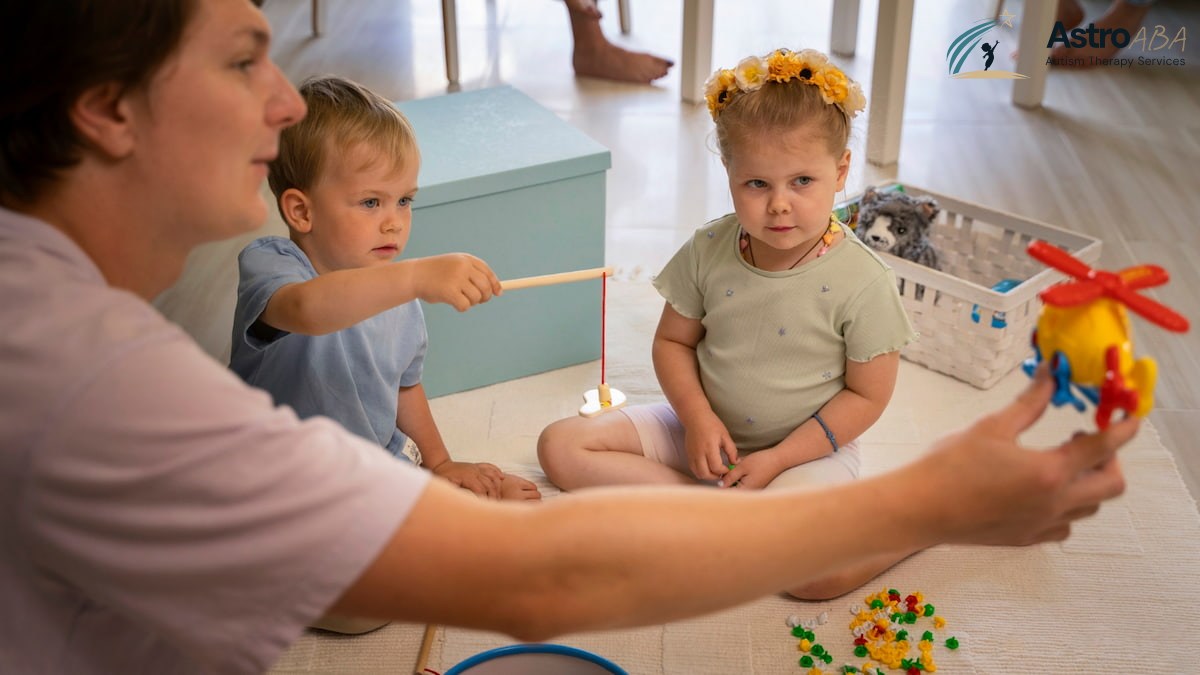
A center may offer planned peer opportunities. Children can practice playing near others, sharing materials, taking turns, joining an activity, and respecting personal boundaries. Staff can support the moment without forcing interaction.
Social skills training should match the child’s age and genuine goals. A child who enjoys solitary play still deserves respect. Social progress may mean asking a peer to stop or leaving a loud group safely.
Daily living and independence
Some clinics contain spaces for self-care practice. Your child may work on handwashing, dressing steps, eating routines, tidying materials, or toileting with privacy.
Daily living skills training should connect with what happens at home. ABA therapy center Missouri sessions become more valuable when the child can use the skill with family too.
Comparing Center, Home, and School Settings
Match the setting to the goal
If your priority involves breakfast or bedtime, home-based ABA therapy may offer useful context. If it involves peer play and moving between structured activities, a center may make practice easier.
The clinic-based autism therapy Kansas City area families consider can also combine settings when services and coverage allow. Ask which goal belongs in each place.
Ask how skills will generalize
Generalization means a child uses learning with different people, materials, or locations. A child who requests a break from one therapist should also gain a way to request one from parents and teachers.
Autism treatments can take place in educational, health, community, or home settings, including a combination of settings. Ask the team to plan that transfer from the beginning.
How to Evaluate Center-Based ABA Therapy Lee's Summit Quality and Safety
A bright room and new toys do not prove quality. Ask who supervises care, how staff responds to distress, and how the center prevents unsafe situations.
Review staffing and supervision
A Board Certified Behavior Analyst, or BCBA, usually designs and supervises the plan. Registered Behavior Technicians, or RBTs, may deliver direct care under that supervision.
At an ABA clinic Lee's Summit Missouri, ask:
- How often does the BCBA observe my child?
- How are staff trained for this child’s plan?
- What happens when the regular therapist is absent?
- How does the team handle injuries or illness?
- Who can answer clinical questions?
- How will I receive progress updates?
These questions help you compare center-based ABA therapy in Lee's Summit options beyond appearance.
Ask about assent and emotional safety

Assent means noticing whether a child shows willingness to participate, even when a parent provides legal consent. Staff should respond when your child says no, turns away, pushes materials aside, or seeks a break.
The team can adjust pacing, choices, materials, or demands. Repeated distress deserves investigation. It should not become proof that more pressure is needed.
Tour the physical environment
During a tour, notice exits, room visibility, bathroom privacy, cleaning, noise, and secure storage. Ask how staff manage allergies, elopement risk, feeding concerns, and emergencies.
For a structured ABA setting Missouri parents can feel comfortable using, look for:
- Accessible communication tools.
- Quiet and active areas.
- Age-appropriate materials.
- Safe staff-to-child coverage.
- Private self-care spaces.
- Clear pickup and release procedures.
- The environment should support regulation and dignity.
Use family support and parent training to carry one useful skill into daily routines. Early intervention ABA programs may include caregiver participation from the start. Center-based ABA therapy in Lee's Summit and clinic-based autism therapy Kansas City area programs should build toward life outside clinic walls.
Frequently Asked Questions
How many hours will my child spend at the center?
Hours depend on assessment findings, goals, tolerance, family schedule, staffing, and insurance authorization. Ask the BCBA to explain the recommendation and how the team will review whether that schedule remains useful.
Can parents observe center-based ABA sessions?
Observation rules differ by center due to privacy, space, and clinical needs. Ask about tours, scheduled observation, caregiver coaching, video policies, and how the team keeps you informed between formal reviews.
What should my child bring to the center?
The center may request snacks, spare clothing, medications, hygiene items, or a communication device. Ask for a written list. Label belongings and share relevant allergy, feeding, toileting, and safety information.
Is center-based ABA better than home-based ABA?
Neither setting is automatically better. Centers support structured practice and peer opportunities. Home services address natural family routines. Your child’s goals, comfort, access, schedule, and clinical needs should guide the choice.
How quickly should I expect progress?
Progress differs by child and skill. Ask for measurable goals and regular reviews. Look for practical changes across people and places, not only higher scores during one therapist’s structured clinic activity.
Help Your Child’s Next Skills Take Center Stage
A clinic can create clear routines and many chances to practice. Center-based ABA therapy in Lee's Summit should remain individual, respectful, and connected with your family’s priorities. The best center plan helps useful skills travel home.
Astro ABA offers a Lee’s Summit center where children can learn, play, and build skills with professional supervision. Families exploring ABA therapy center Missouri options can discuss communication, peer interaction, daily living goals, scheduling, insurance, and caregiver support.
Contact us to ask about current center availability, tours, intake, staffing, and insurance verification when you are ready. Share your child’s strengths, communication system, sensory needs, and routines. A focused conversation can help you decide whether the center setting fits your child’s next practical goal.
Recent articles
What Center-Based ABA Therapy Lee's Summit Offers Your Child
Explore center-based ABA therapy Lee's Summit families can use for structured learning, peer practice, daily skills, and support.

In-School ABA Therapy Missouri Families and IEP Teams Can Coordinate
See how in-school ABA therapy that Missouri families use can support IEP goals, classroom access, communication, and teamwork.

How to Choose an ABA Therapy Provider Missouri Families Can Trust
Learn how to choose an ABA therapy provider Missouri families can trust, including credentials, goals, communication, safety, and costs.

Bilingual ABA Therapy Missouri Families Can Trust in Kansas City
Find bilingual ABA therapy that Missouri families can use for clear communication, cultural respect, and practical support in Kansas City.

Home-Based ABA Therapy in Kansas City, Missouri: What Families Can Expect
What families can expect from in-home ABA therapy in Kansas City, Missouri, from the first session to daily routines and progress tracking.

What to Do While Waiting for ABA Therapy in Missouri
What to do while your child waits for ABA therapy in Missouri, including practical steps that keep progress moving during the wait.

How to Get an Autism Diagnosis for Your Child in Missouri: A Step-by-Step Guide
A step-by-step guide to autism diagnosis in Missouri, covering signs, screening, evaluations, and what happens after the diagnosis.

Does Medicaid Cover ABA Therapy in Missouri: A Complete Guide for Families
See how Missouri Medicaid for ABA therapy works, what MO HealthNet covers, and the steps to get your child's autism therapy approved.

Early Intervention ABA Therapy for Toddlers in Ohio: Why Timing Matters
Why timing matters for early intervention ABA therapy in Ohio, and what toddlers aged 2 to 3 gain from starting treatment sooner.

How to Choose the Right ABA Therapy Provider in Ohio
A practical guide to how to choose an ABA provider in Ohio, with red flags to avoid and a simple checklist for families.

In-School ABA Therapy and IEP Support for Ohio Families
Learn how ABA therapy and IEP support in Ohio work together in the classroom, and how families in Columbus can advocate for real progress.

ABA Therapy in Cincinnati: A Guide for Families in Mason, Norwood, and Madeira
Families searching for ABA therapy in Cincinnati can find home- and center-based autism support across Mason, Norwood, and Madeira, Ohio.

In-Home ABA Therapy in Columbus and Central Ohio: What Families Can Expect
What does in-home ABA therapy in Columbus look like week to week? A practical look for families across Central Ohio.

Medicaid ABA Therapy in Ohio: What Families Need to Know
Does Medicaid pay for ABA therapy in Ohio? Here's how eligibility, waivers, and behavioral health coverage work for autism services.

How to Get an Autism Diagnosis in Ohio: A Step-by-Step Guide for Parents
A step-by-step look at how autism diagnosis in Ohio works, who can evaluate your child, and what happens once you have an answer.

ABA Therapy Insurance in Ohio: A Complete Guide to Coverage for Families
Wondering if insurance covers ABA therapy in Ohio? Learn what the state's autism mandate requires, what plans pay, and how reimbursement works.

How ABA Parent Training Works in Therapy: A Guide for Families
Learn how ABA parent training works, what to expect, and how it helps your child gain skills that last beyond therapy.

Does Insurance Cover ABA Therapy in Colorado: A Family Guide
Find out if insurance covers ABA therapy in Colorado, including Medicaid, private plans, and tips to get approved.

In-Home vs Center-Based ABA Therapy Comparison: Which Setting Works Best
Compare in-home vs center-based ABA therapy with pros, cons, and tips to choose the best fit for your child.

How to Get an Autism Evaluation in Colorado: A Parent Guide
Step-by-step guide on how to get an autism evaluation in Colorado, from referrals to results and what to do next.

Early Signs of Autism in Toddlers: A Parent Guide
Spot early signs of autism in toddlers with this parent guide. Learn red flags, milestones, and what to do next.

What to Do While Waiting for ABA Therapy in Kansas, Colorado, and Ohio
Stuck on an ABA therapy waitlist in Kansas, Colorado, or Ohio? Practical things you can do right now to support your child.

How to Get an Autism Diagnosis for Your Child in Colorado and Ohio
Getting an autism diagnosis for your child in Colorado or Ohio: what evaluations involve, where to go, and how to move faster.

ABA Therapy for Military Families in Kansas: What Fort Riley and Junction City Parents Should Know
ABA therapy for military families near Fort Riley and Junction City, Kansas: TRICARE coverage, finding providers, and what to expect.

ABA Therapy for Adults with Autism in Kansas and Colorado: What to Expect
Curious about ABA therapy for adults with autism in Kansas and Colorado? Here's what to expect, what works, and how to get started.

Does Medicaid Cover ABA Therapy in Ohio and Colorado: What Families Need to Know
Wondering if Medicaid covers ABA therapy in Ohio and Colorado? Here's exactly what families need to know about eligibility and access.

ABA Therapy in Kansas and Colorado: Bilingual Services for Hispanic Families with Autistic Children
Bilingual ABA therapy in Kansas and Colorado supports Hispanic families with autistic children through Spanish-speaking therapists and culturally aware care.

ABA Therapy in Missouri: What Families in Kansas City, Lee's Summit & Independence Need to Know
Looking for ABA therapy in Missouri? Learn what families in Kansas City, Lee's Summit & Independence need to know to access quality autism support.

Occupational Therapy for Autism in Kansas & Colorado: How Fine Motor and Daily Living Skills Are Built
Learn how occupational therapy for autism in Kansas and Colorado helps children build fine motor, self-care, and daily living skills alongside ABA therapy.

In-School ABA Therapy in Kansas, Colorado & Ohio: How ABA Supports Children Right Where They Learn
Learn how in-school ABA therapy in Kansas, Colorado & Ohio supports children with autism in the classroom with real collaboration and structured support.

In-Center ABA Therapy in Wichita, Kansas: How a Structured Clinic Setting Supports Your Child's Growth
Discover how in-center ABA therapy in Wichita, KS, gives children a structured, distraction-free setting to build real skills. Learn what to expect.

Home-Based vs. Center-Based ABA Therapy in Kansas, Colorado, and Ohio: Which Is Right for Your Family?
Comparing home-based and center-based ABA therapy in Kansas, Colorado, and Ohio to help families choose the right setting for their child's development.

How ABA Therapy Supports Toilet Training in Children With Autism
Learn how ABA therapy supports toilet training in children with autism using proven strategies for bathroom independence at home in Kansas, Ohio, and Colorado.

What Is Functional Behavior Assessment (FBA) and Why Does Your Child Need One?
Learn what a Functional Behavior Assessment is in ABA therapy, why your child may need one, and how it guides effective autism treatment in Kansas, Colorado, and Ohio.

ABA Therapy for Children With Sensory Processing Issues: Strategies That Work
Discover ABA therapy strategies for children with sensory processing issues, including practical approaches for home and therapy in Kansas, Ohio, and Colorado.

How to Get an Autism Diagnosis for Your Child in Kansas, Colorado, or Ohio
Learn how to get an autism diagnosis for your child in Kansas, Colorado, or Ohio, including where to start and what to expect.

When and How to Reduce ABA Therapy Hours: Signs Your Child Is Ready to Transition
Learn when and how to reduce ABA therapy hours, with clear signs your child is ready and practical steps for a smooth, confident transition.

How ABA Therapy Works with Your Child's IEP: Coordinating School and Home Services
Learn how ABA therapy works with your child’s IEP to align school and home services for consistent progress and stronger outcomes.
ABA Therapy for Toddlers (18 Months to 3 Years): Early Intervention Goals and Milestones
Learn how ABA therapy for toddlers supports early milestones, communication, and behavior from 18 months to age 3 through structured early intervention.

Elopement and Wandering in Autism: ABA Safety Strategies to Keep Your Child Safe
Learn practical ABA safety strategies to prevent autism elopement and wandering, protect your child, and build a personalized safety plan at home and in public.

What to Expect in Your Child's First Month of ABA Therapy: A Week-by-Week Parent Guide
A week-by-week parent guide to your child’s first month of ABA therapy, with clear expectations, practical tips, and reassurance.

Complete Guide to Getting ABA Therapy Covered by Insurance in Kansas, Colorado & Ohio
Learn how to secure ABA therapy insurance coverage in Kansas, Colorado, and Ohio with step by step guidance for Medicaid and private plans.

Transitioning From Early Intervention to School-Age ABA Programs: What Parents Should Know
A parent-focused guide to navigating the shift from early intervention to school-age ABA programs with confidence, clarity, and continuity of care.

Measuring ABA Therapy Progress: Understanding Data-Driven Outcomes and Success Metrics
Learn how ABA therapy progress is measured using clear data, simple metrics, and family-friendly tools to understand real outcomes and meaningful change.

Parent Stress Management Tips and Sustainable ABA Programs for Families to Prevent Caregiver Burnout
Learn how parent stress management and sustainable ABA programs for families can prevent caregiver burnout.

Co-Occurring ADHD Autism Treatment: How ABA Therapy Supports Children With Dual Diagnoses
Learn how co-occurring ADHD autism treatment through ABA therapy provides executive function support, builds independence, and reduces disruptive behaviors in children with ADHD and autism.

Hybrid ABA Therapy vs Home-Only vs Center-Only: Which Option Is Right for Your Child?
Hybrid ABA therapy combines center structure with home routines so skills show up in real life. Compare options this week and pick the best fit for your family.

How to Respond When ABA Therapy Plateaus and Progress Stalls
When ABA therapy plateaus and progress stalls, data can show what to adjust next. Ask your BCBA for goal tweaks, reinforcer refreshes, and a simple home plan.

The Role of Prompting and Fading in ABA Therapy Programs
Enhancing Autism Interventions Through Systematic Support Reduction

The Role of ABA Therapy in Supporting Community Participation
Enhancing Lives Through Community-Focused ABA Interventions

The Role of ABA Therapy in Encouraging Initiative and Motivation
Unlocking Potential: How ABA Empowers Children to Take Initiative

How ABA Therapy Helps Children Develop Initiation and Motivation
Unlocking Potential: The Power of ABA in Fostering Child Independence

How ABA Therapy Encourages Participation in Cooperative Group Activities
Fostering Social Skills Through ABA Interventions

How ABA Helps Kids With Autism Start Tasks on Their Own
Struggling with task initiation? See how ABA uses visual schedules, prompts and rewards to help children with autism start tasks independently.

How ABA Therapy Helps Children Build Resilience in Challenging Situations
Building Emotional Strength Through ABA Therapy

The Impact of ABA Therapy on Reducing Anxiety in Social Settings
Transforming Social Experiences: How ABA Therapy Eases Autism-Related Anxiety

Strategies for Teaching Self-Monitoring Through ABA
Empowering Independence: Techniques to Foster Self-Monitoring with ABA

The Benefits of Combining ABA with Speech and Language Therapy
Integrating Treatment Approaches to Maximize Developmental Progress

Strategies for Teaching Cooperative Problem-Solving Through ABA
Enhancing Collaborative Skills with ABA: Proven Strategies and Techniques

How ABA Therapy Encourages Independent Participation in Daily Tasks
Empowering Autonomy: How ABA Therapy Builds Independence in Daily Life

Creating an Effective Learning Environment at Home for ABA Therapy
Building a Supportive Home Environment for ABA Success

How ABA Therapy Encourages Following Safety Rules at Home and School
Empowering Children with Autism to Follow Essential Safety Rules

Common ABA Therapy Techniques for Reducing Aggression
Innovative Strategies in ABA to Minimize Aggressive Behaviors

How ABA Therapy Encourages Communication Using Gestures and Signs
Unlocking the Power of Gestures and Signs in Autism Therapy

How ABA Therapy Encourages Appropriate Social Greetings
Enhancing Social Skills Through Evidence-Based Interventions

Addressing Social Anxiety Using ABA-Based Techniques
Harnessing ABA to Alleviate Social Anxiety

Famous Politicians With Autism
Celebrating Neurodiversity: Insights into Autism and Notable Figures

How ABA Therapy Can Help with Anxiety in Children with Autism
Unlocking Emotional Well-Being: The Power of ABA in Managing Autism-Related Anxiety

The Impact of ABA Therapy on School Success
Enhancing Educational Outcomes with Systematic Interventions

The Importance of Social Stories in ABA Therapy
Harnessing Social Stories to Enhance Social Skills in Autism Interventions

Mild Autism
Understanding the Nuances of Mild Autism

What Are Functional Behavior Assessments (FBA) in ABA Therapy?
Unlocking the Secrets Behind Behavior: The Power of FBAs in ABA

Early Signs Of Autism In Babies And Kids
Recognizing Early Indicators to Support Developmental Health

How to Find Funding for ABA Therapy Services
Unlocking Funding Opportunities for Autism Treatments

How to Help a Child with Autism Transition to ABA Therapy
Supporting Children Through Transition Phases in ABA Therapy

Do Autistic People Get Injured More?
Examining Injury Risks in Individuals with Autism Spectrum Disorder

How ABA Therapy Can Help with Executive Functioning Challenges
Unlocking Skills: The Impact of ABA on Executive Functioning in Autism

Premack Principle in ABA: First-Then Examples
The Premack principle uses a preferred activity to motivate a less preferred one. See easy first-then examples for home, school and ABA sessions.

Low-Functioning Autism
Understanding the Challenges and Supports for Low-Functioning Autism

How ABA Therapy Can Help with Playdates and Social Events
Unlocking Social Success: How ABA Therapy Facilitates Playdates and Community Engagement

How ABA Therapy Can Address Impulse Control Issues
Mastering Behavioral Growth: The Power of ABA in Impulse Control

Book, Movie, and TV Characters on the Autism Spectrum
Enhancing Understanding Through Fictional Portrayals

The Role of Visual Supports in ABA Therapy
Enhancing Autism Interventions with Visual Supports

What Is Pervasive Developmental Disorder
Understanding the Spectrum of Developmental Challenges

How ABA Therapy Helps with Emotional Regulation
Empowering Emotional Resilience in Children with Autism

What is Task Analysis in ABA Therapy?
Unveiling the Foundations of Task Analysis in ABA Therapy

How ABA Therapy Can Improve Play Skills
Unlocking Growth: The Power of ABA in Enhancing Play Skills

Air Pollution and Autism
Unveiling the Environmental Impact on Developing Minds

How ABA Therapy Can Help with Bullying Prevention
Building Respect and Resilience Through ABA

How ABA Therapy Can Be Used to Teach Problem-Solving Strategies
Empowering Individuals with Autism Through Targeted Problem-Solving Skills

Can Autistic People Work?
Unlocking Potential: The Realities of Employment for Autistic Individuals

How ABA Therapy Can Help with Homework and Academics
Empowering Academic Success with ABA Therapy

Common Myths About ABA Therapy Debunked
Unmasking Autism Treatment: The Truth About ABA Therapy

Does Aluminum Cause Autism?
Unraveling the Link: Aluminum and Autism Spectrum Disorder

How ABA Therapy Can Support Emotional Expression and Understanding
Unlocking Emotional Growth in Autism Through ABA Therapy

The Role of ABA Therapy in Helping Children Learn Road Safety
Empowering Safe Journeys: How ABA Therapy Fosters Road Safety Skills in Children

The Role of Group ABA Therapy in Social Development
Enhancing Social Skills Through Collective Strategies

What Is Autistic Burnout?
Understanding the Hidden Struggle of Autistic Burnout

Autistic Child Won't Keep Shoes On? Practical Tips That Help
Does your autistic child keep taking off their shoes? Learn the sensory reasons behind it, which shoes feel better, and simple steps to build tolerance.

The Role of ABA Therapy in Addressing Food Aversions and Picky Eating
Transforming Mealtimes: How ABA Therapy Supports Children with Autism